How ERP Software Helps Businesses Streamline Operations and Improve Productivity
Discover how ERP software helps businesses manage employees, projects, payroll, tasks, and daily operations from one centralized platform while improving productivity and efficiency.

Introduction
In today’s competitive business environment, managing different departments, employees, projects, and daily operations efficiently can be challenging. Many businesses still depend on spreadsheets, emails, and multiple disconnected tools, which can lead to errors, delays, and communication gaps.
Enterprise Resource Planning (ERP) software provides a centralized solution that brings important business processes together in one platform.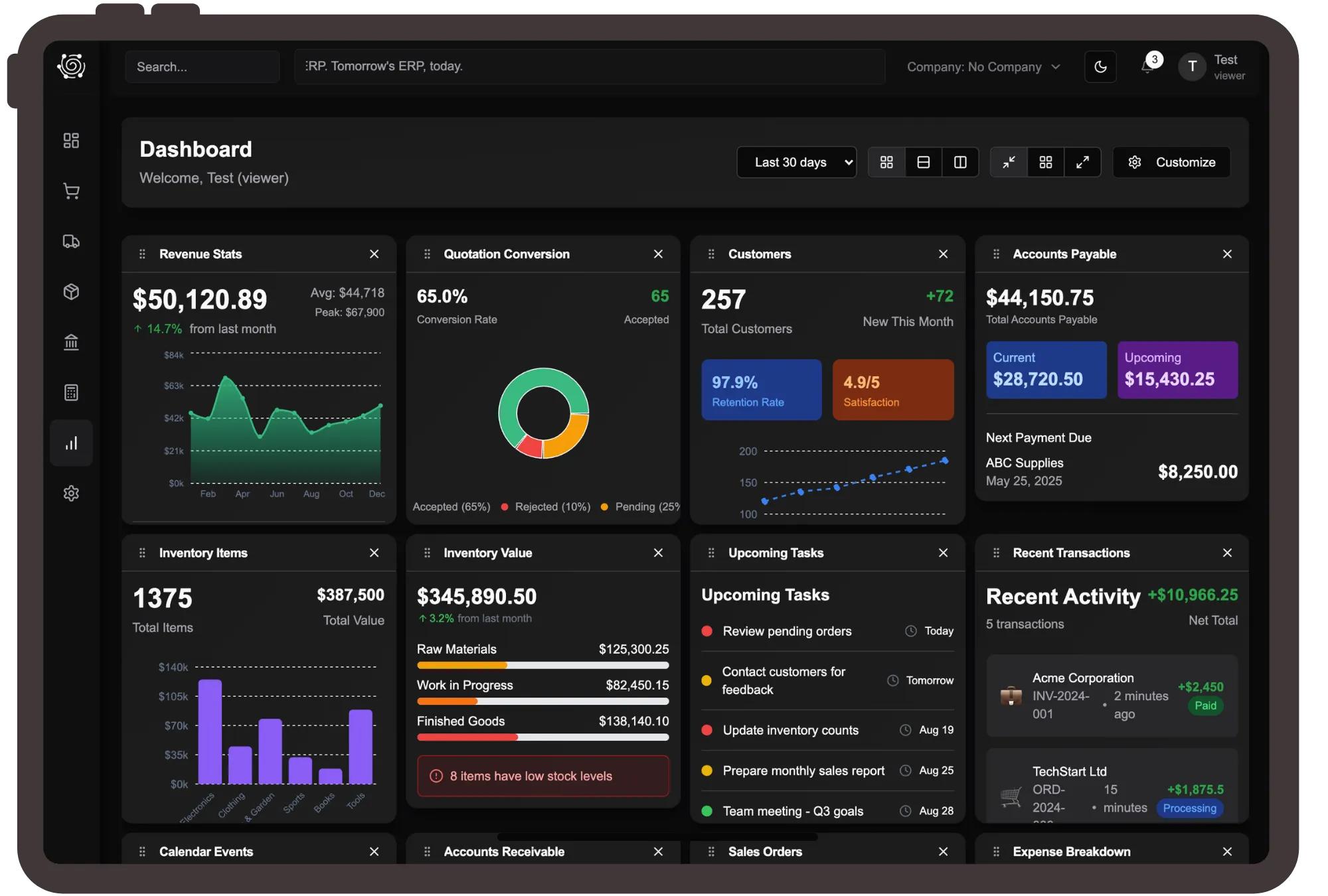
What Is ERP Software?
ERP software is a business management system designed to integrate different organizational processes into a single platform. Instead of managing HR, payroll, projects, employees, and tasks separately, businesses can manage them through one centralized system.
A well-designed ERP system provides better visibility, improves collaboration, and helps management make informed decisions.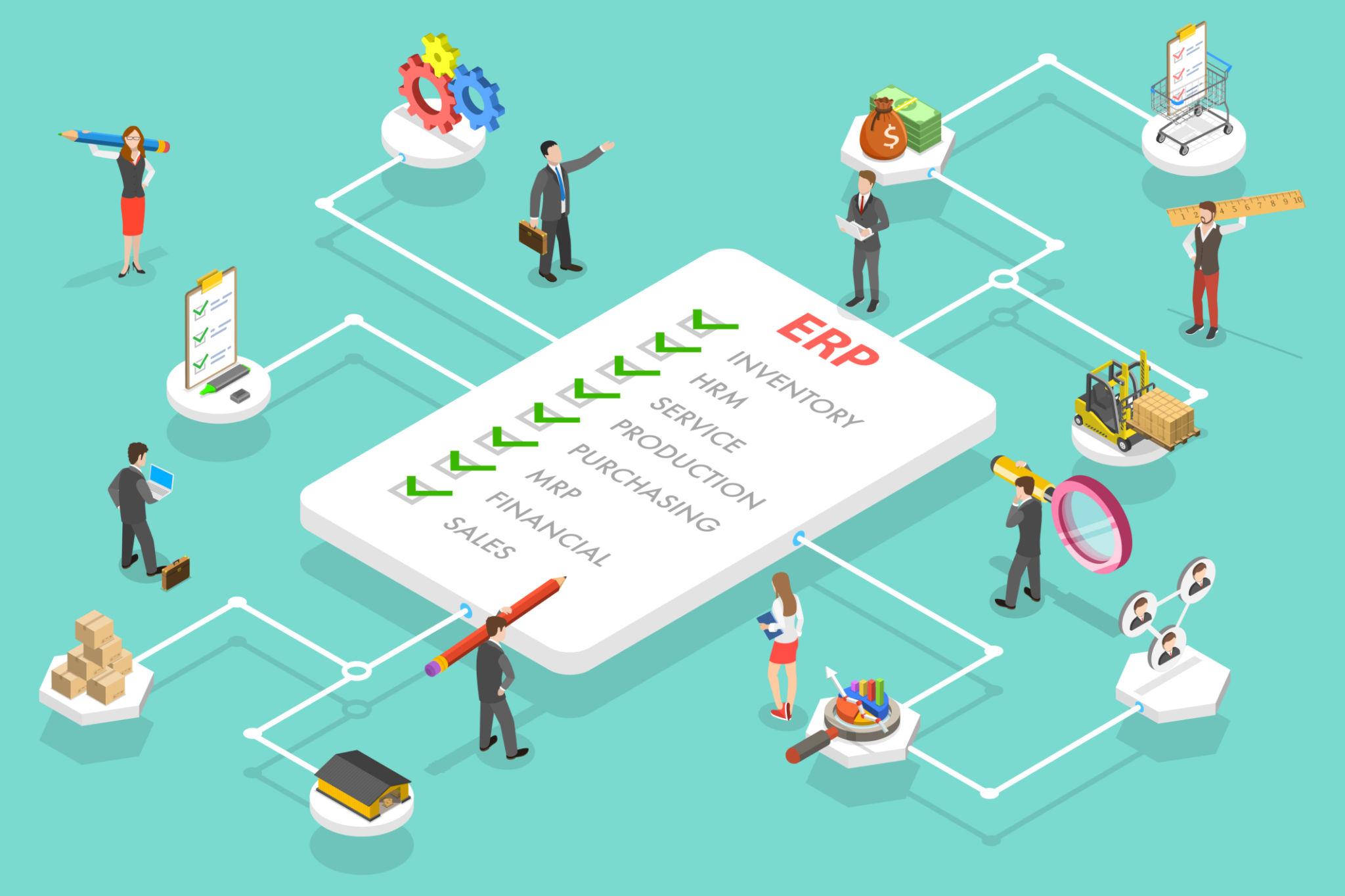
Key Benefits of ERP Software
1. Centralized Business Management
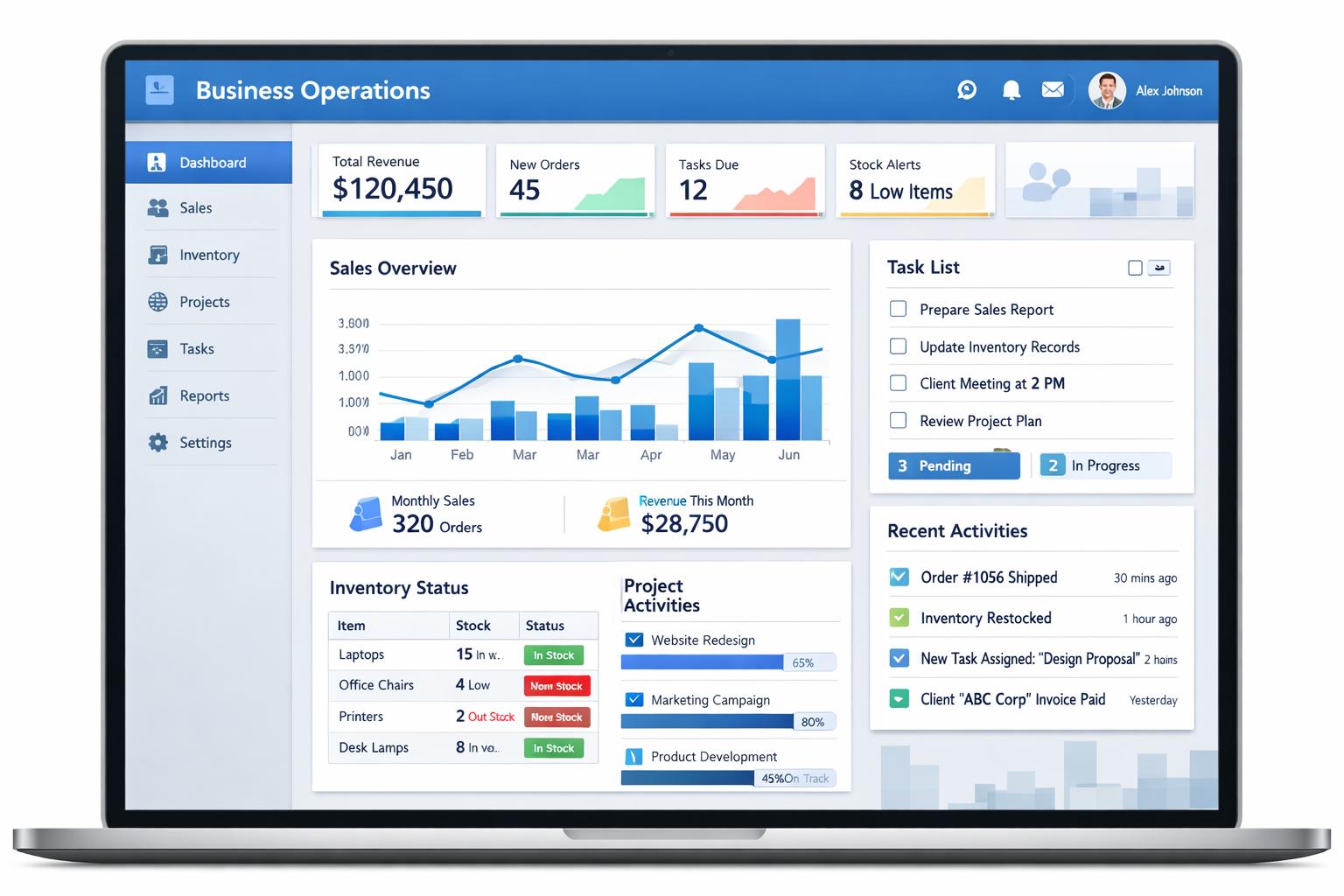
An ERP system allows businesses to manage multiple operations from one place. Employee information, projects, tasks, attendance, payroll, and other important records can be organized and accessed through a centralized dashboard.
This reduces dependency on multiple applications and makes everyday management easier.
2. Improved Employee Management
Managing employees manually can become difficult as a company grows. ERP software can simplify employee management by maintaining employee profiles, departments, designations, documents, attendance records, and other important information.
HR teams can quickly access the information they need without searching through multiple files.
3. Efficient Attendance and Leave Management
ERP systems can automate attendance and leave management. Employees can record their attendance, while HR managers can review attendance records and manage leave requests from the same platform.
This helps reduce manual work and provides more accurate records.
4. Simplified Payroll Processing
Payroll is another area where automation can save significant time. ERP software can help calculate salaries based on attendance, allowances, deductions, taxes, and other applicable components.
Automated payroll processing can reduce calculation errors and make salary management more efficient.
5. Better Project and Task Management
Businesses often handle multiple projects simultaneously. An ERP system can help managers assign projects and tasks, set deadlines, define priorities, and monitor progress.
Employees can also track their assigned work, making responsibilities and deadlines clearer.
6. Role-Based Access and Security
Not every employee needs access to every business record. Modern ERP systems can provide role-based access control, allowing administrators to decide which modules and information each user can access.
This improves data security while ensuring employees have access to the tools they need.
7. Better Reporting and Decision-Making
Accurate business data helps management make better decisions. ERP dashboards and reports can provide insights into employee performance, attendance, payroll, projects, tasks, and overall business operations.
Instead of relying on scattered information, managers can use centralized data to identify problems and improve processes.
Why Businesses Should Invest in ERP
As businesses grow, managing operations manually becomes increasingly difficult. An ERP system can reduce repetitive administrative work, improve communication between departments, and provide better control over business processes.
The goal of ERP is not simply to automate tasks. It is to create a more connected and organized business environment where teams can work efficiently and management can make decisions using reliable information.
Conclusion
ERP software can play an important role in modern business management. From employee management and attendance to payroll, projects, tasks, and reporting, an integrated ERP platform can bring essential business processes together.
For businesses looking to improve productivity, reduce manual work, and create a more organized workflow, implementing the right ERP solution can be a valuable long-term investment.